Can Instagram Replace a Website?
The Instagram Illusion
“Do I really need a website if I already have Instagram?”
It’s a question photographers ask all the time. Instagram is fast, visual, and free. It feels like the perfect platform to show your work, connect with potential clients, and even land bookings. So why bother with the extra effort (and cost) of building a website?
Here’s the thing: while Instagram is powerful, it’s not designed to do everything a website does. And if you’re running a business — even a small creative one — there are big risks in relying on a platform you don’t own.
In this post, we’ll unpack where Instagram shines, where it falls short, and why the smartest approach isn’t “either/or”… but “both.”
Instagram vs Website: What’s the Difference?
At first glance, Instagram and a website might seem interchangeable. Both display your work. Both let people contact you. But under the hood, they’re very different.
A website for photographers is something you own. You control the design, the navigation, the branding, and the messaging. It’s stable, flexible, and entirely yours.
Instagram is a platform you rent. You follow their rules. You work within their layout. And your content is filtered by an algorithm you don’t control.
A website gives you structure — a clear journey you can guide someone through, from learning about you to booking a session. Instagram gives you a scroll.
That doesn’t make Instagram bad — just limited.
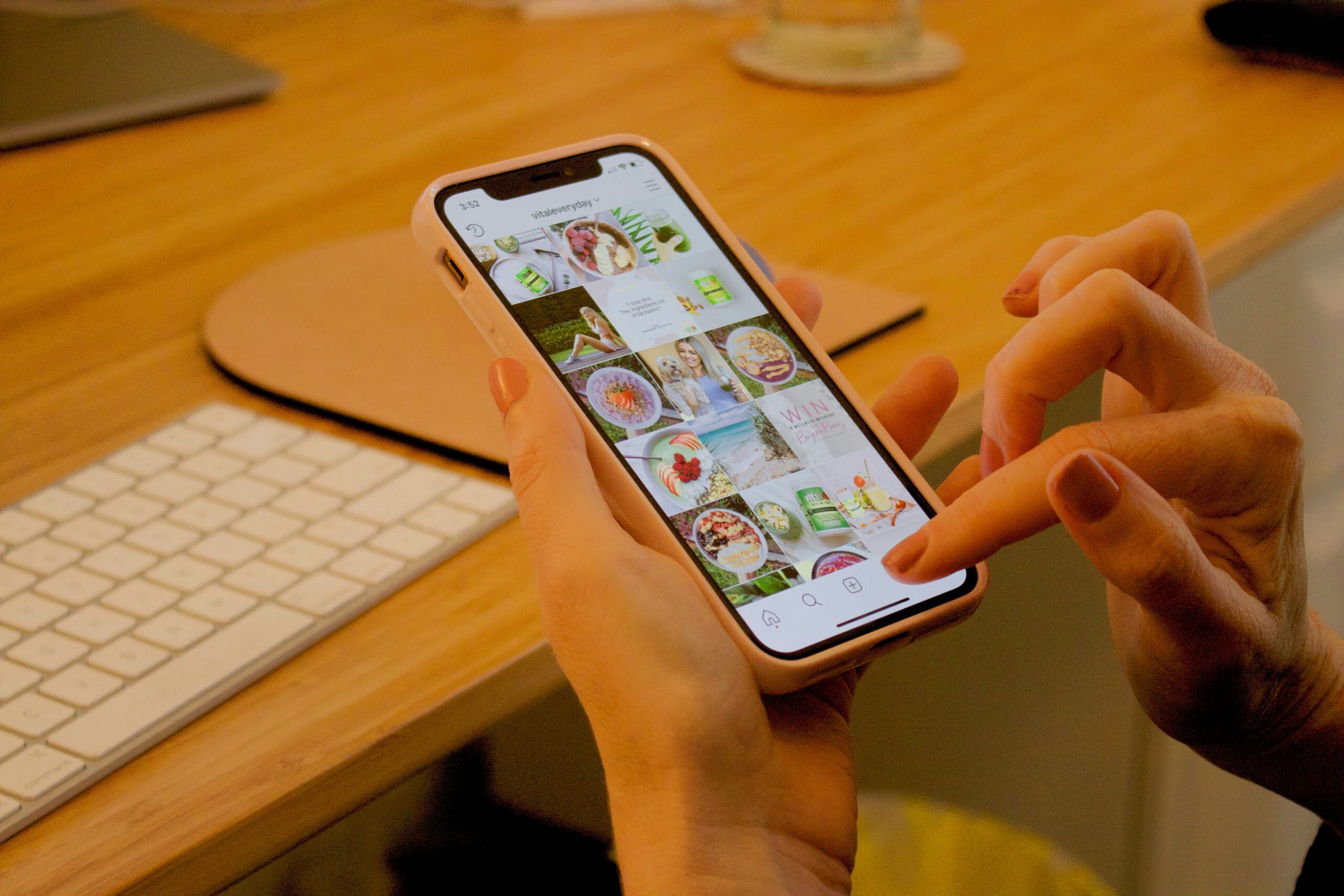
What Instagram Does Really Well
Let’s give credit where it’s due: Instagram is amazing at building awareness and engagement. Especially for photographers.
Here’s what it excels at:
- Visual storytelling: You can showcase recent shoots, works-in-progress, or daily life in a way that’s accessible and human.
- Community building: Likes, comments, stories, reels — they create a two-way relationship with your audience.
- Ease and speed: It’s free, instant, and super mobile-friendly.
- Direct sales opportunities: Thanks to shoppable posts, story links, and influencer collaborations, Instagram can drive purchases — especially for physical products or digital downloads.
In short, it’s a great front porch. But a front porch isn’t the whole house.
Where Instagram Falls Short
Instagram is built for browsing, not building. While it’s great for engagement, it hits serious limits when it comes to long-term growth.
Here’s where it starts to break down:
- No real SEO: Your Instagram profile and captions aren’t indexed by Google like your website pages are. That means people searching “wedding photographer in Austin” won’t find you — unless you have a website.
- Zero control over layout or structure: Want to guide users through services, testimonials, pricing, and a contact form? Instagram can’t do that.
- Vulnerable to changes: If the algorithm changes, or your account is hacked or banned, your business visibility disappears overnight.
- No deep branding: On Instagram, your brand looks like every other grid. A website lets you own your vibe — from fonts to colors to tone.
Instagram isn’t built to convert. It’s built to scroll.
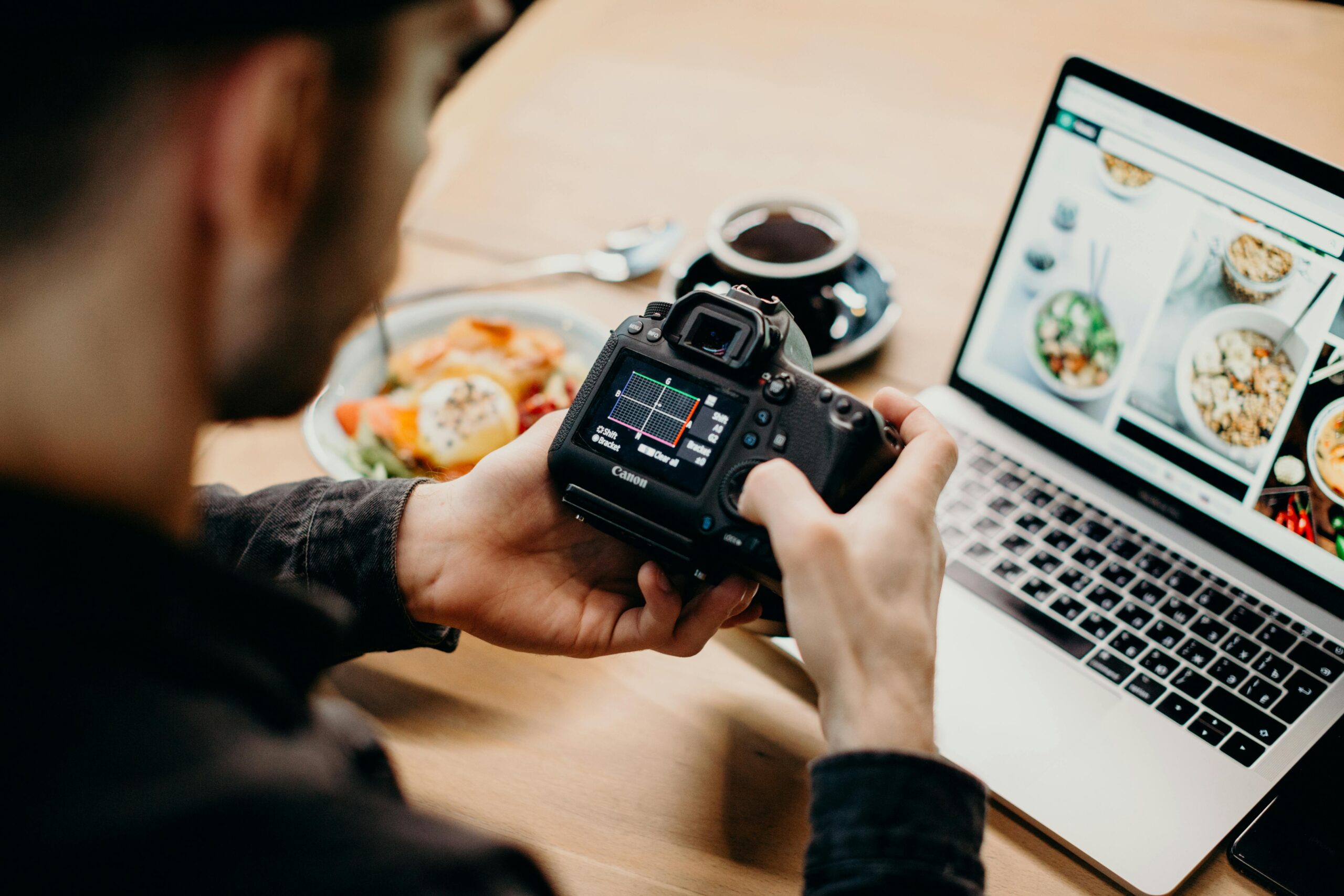
Why a Website Still Matters
A website isn’t just a digital brochure — it’s a foundation.
Here’s what makes it irreplaceable:
- You own it. It’s not at the mercy of trends, bans, or algorithms.
- You control the journey. From homepage to portfolio to inquiry form, you design how people interact with your brand.
- It builds trust. A polished, clear website instantly adds credibility. It says: “I’m serious. I’m professional. I’m here to stay.”
- It converts. With full service pages, reviews, blog posts, and email capture, websites turn curious visitors into real clients.
If you’re thinking seriously about photography business growth, your website can’t be an afterthought. Think of Instagram as your billboard. Your website is your storefront.
Real Risks of Relying Only on Instagram
Here’s where things get real.
Relying solely on Instagram might feel easy, but it’s risky — especially for working photographers.
- One point of failure: If your account is disabled, hacked, or flagged (even by mistake), you can lose years of work and your entire client funnel.
- No backup or archive: There’s no easy way to export your content or migrate it elsewhere.
- Harder to scale: As your business grows, you’ll need more tools — booking systems, e-commerce, email marketing — that Instagram simply can’t offer.
- You’re not searchable: Without a website, you’re invisible to people searching Google, Bing, or Pinterest for the services you offer.
Bottom line? Don’t build your house on rented land.
The Best Strategy: Let Instagram Drive, Let Your Website Close
You don’t have to choose between Instagram or a website. The smartest move is to use them together — each playing its part.
Here’s how to make them work in harmony:
- Instagram drives attention. Use reels, stories, carousels, and behind-the-scenes posts to build curiosity and connection.
- Your website converts that attention. Link back to your services, pricing, galleries, or booking page.
- Use CTAs wisely. “Link in bio,” “swipe up,” and DMs can guide users from social to site.
- Create a seamless experience. The branding and messaging on your Instagram should mirror your website — so the transition feels intentional and aligned.
Think of Instagram as your street performer. It gets people to stop and listen.
Your website? That’s the stage where you show what you’re truly capable of.
Conclusion – Instagram Is the Magnet, Your Website Is the Home
Instagram is an incredible tool for connection, creativity, and visibility.
But it’s not your headquarters — it’s your handshake.
A website gives you permanence. It gives you strategy. It gives you room to grow.
So, can Instagram replace a website?
No. But it can absolutely amplify it.
Let Instagram be the spark — and let your website carry the flame.
If you’re curious about building your own space online, feel free to reach out — no pressure.
question1
answer1
question2
answer2